Eco-Maker and the EMDACC4 Device: Sustainability Meets Technology
The Eco-Maker project aims to empower students through practical activities that combine environmental responsibility with digital innovation.
Within this framework, the EMDACC4 device was created as a tool to help young learners understand how technology can be used to observe, interpret and respond to environmental challenges in everyday life.
The project promotes an educational approach rooted in experimentation, critical thinking, and active problem-solving. By engaging with real-world data and designing simple solutions, students are encouraged to reflect on their role in building a more sustainable future — not only as users of technology, but as creators.
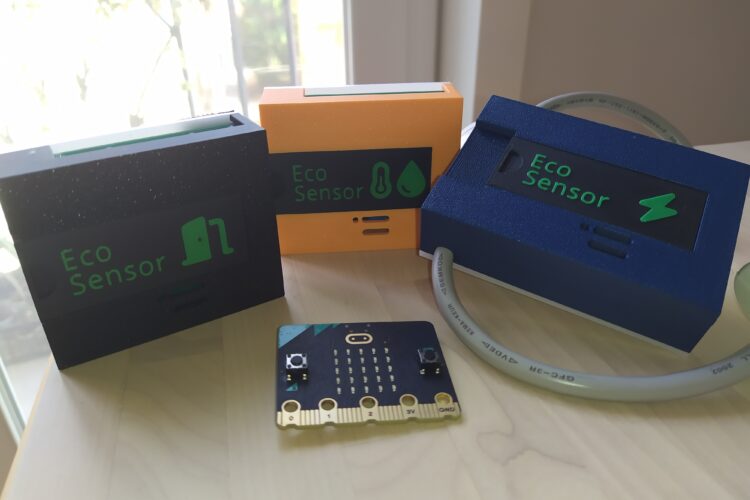
A micro:bit-based system with interchangeable sensors to explore real-world variables.
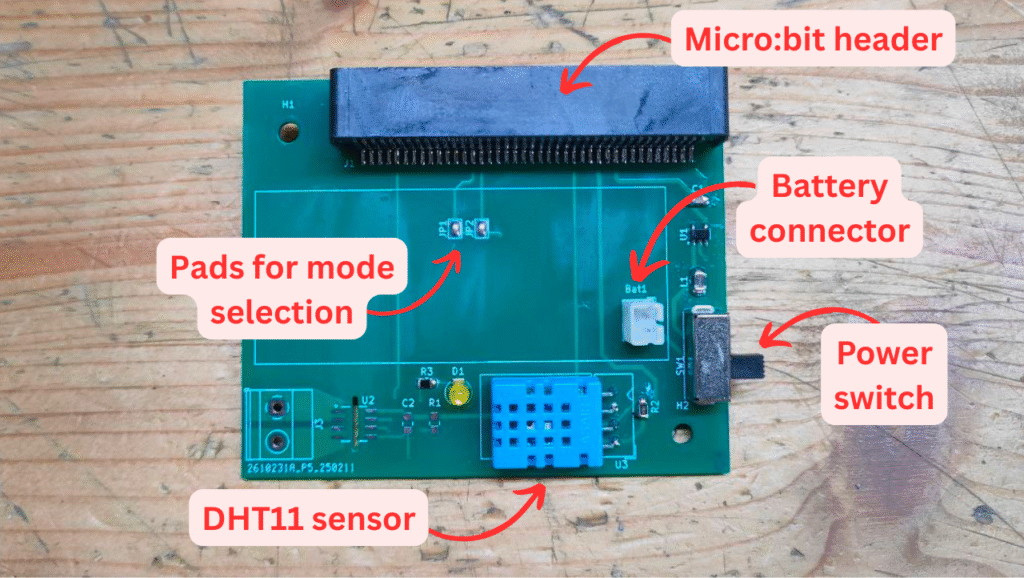
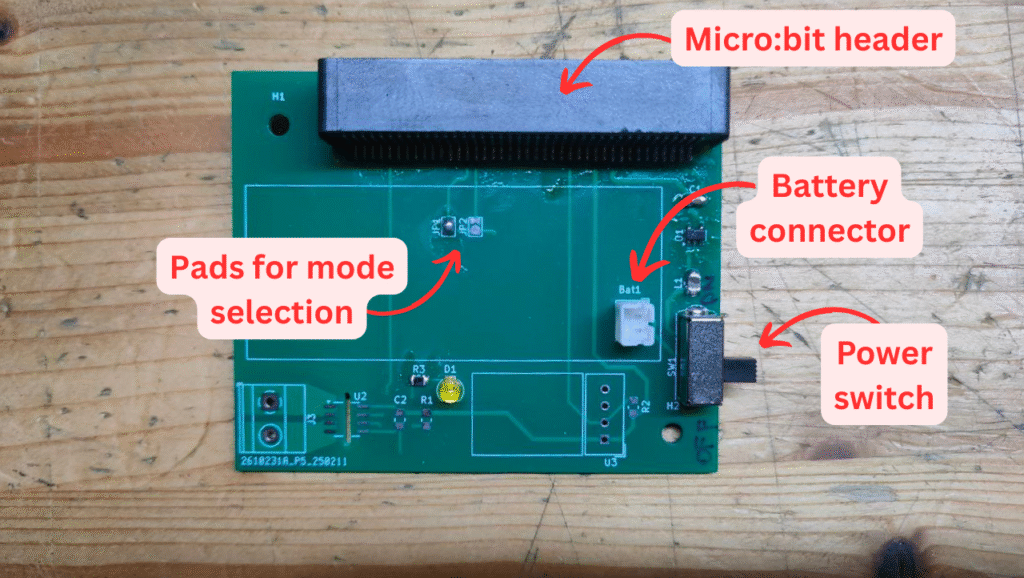
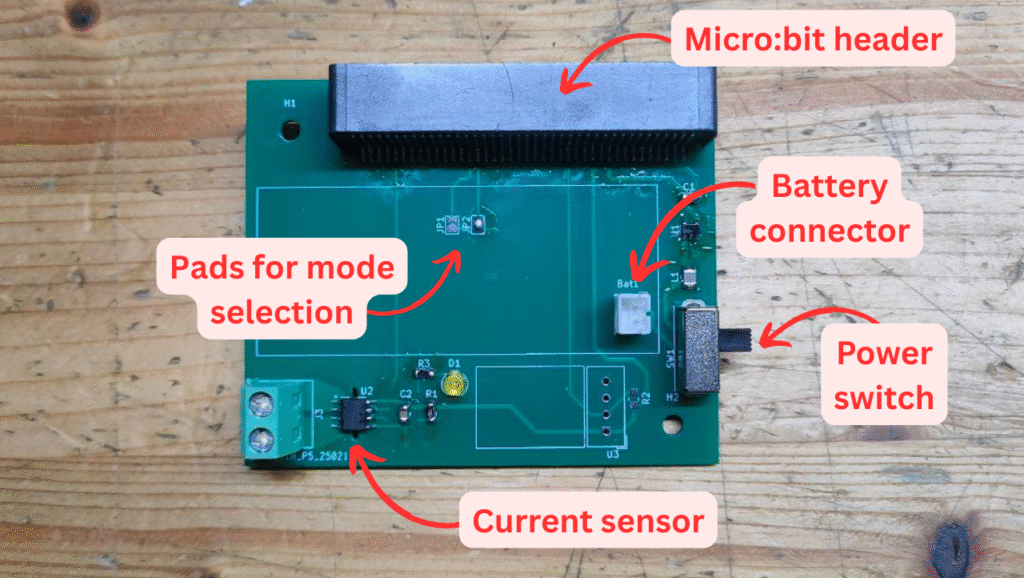
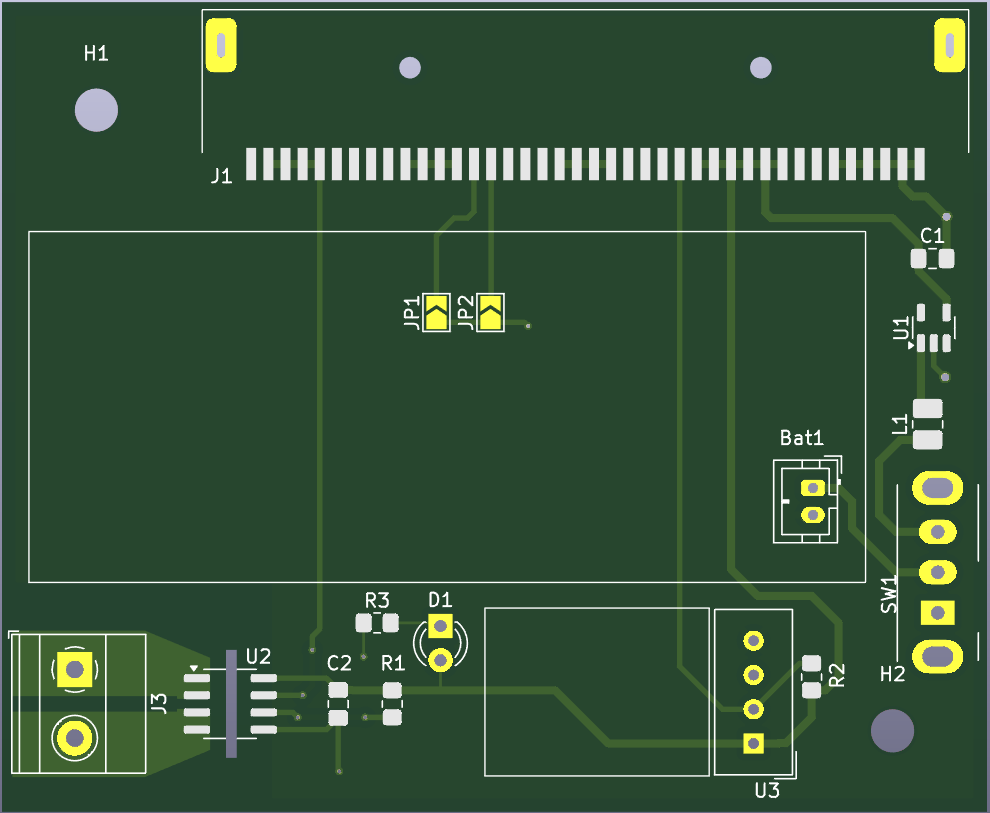
The EMDACC4 device consists of a central unit (micro:bit) and a series of extension boards. Each board includes a different sensor:
- DHT11 for temperature and humidity
- Current sensor for monitoring energy usage
- Magnetic sensor for open/closed detection of doors and windows
Once a board is connected, the firmware automatically identifies the sensor and starts transmitting data wirelessly via radio.
Check out the details about the design choices that have been made on our dedicated page!
From Sensors to Scenarios: Learning by Doing
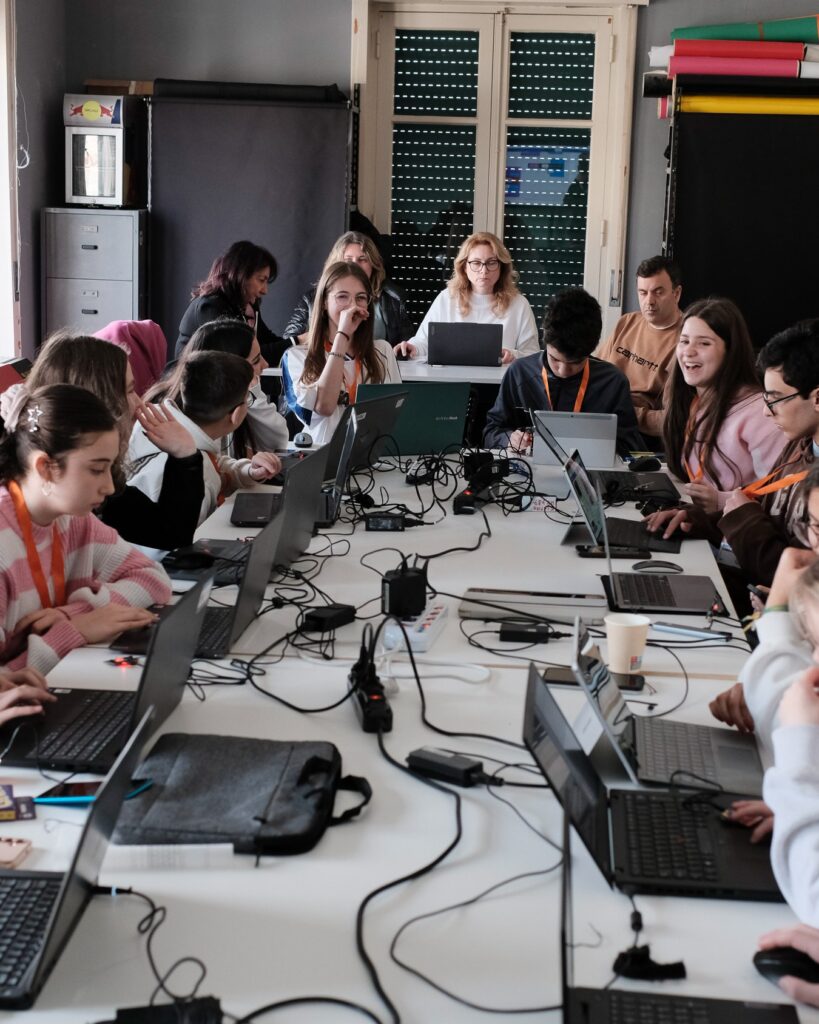
EMDACC4 enables students to design interactive projects that respond to real-time environmental inputs.
Example scenarios include:
- Monitoring classroom temperature and reacting to thresholds
- Detecting if lights or appliances are left on
- Triggering alerts for open windows
The activities are structured to promote collaborative work, digital creativity, and deeper understanding of environmental responsibility.
Educational Activities with EMDACC4
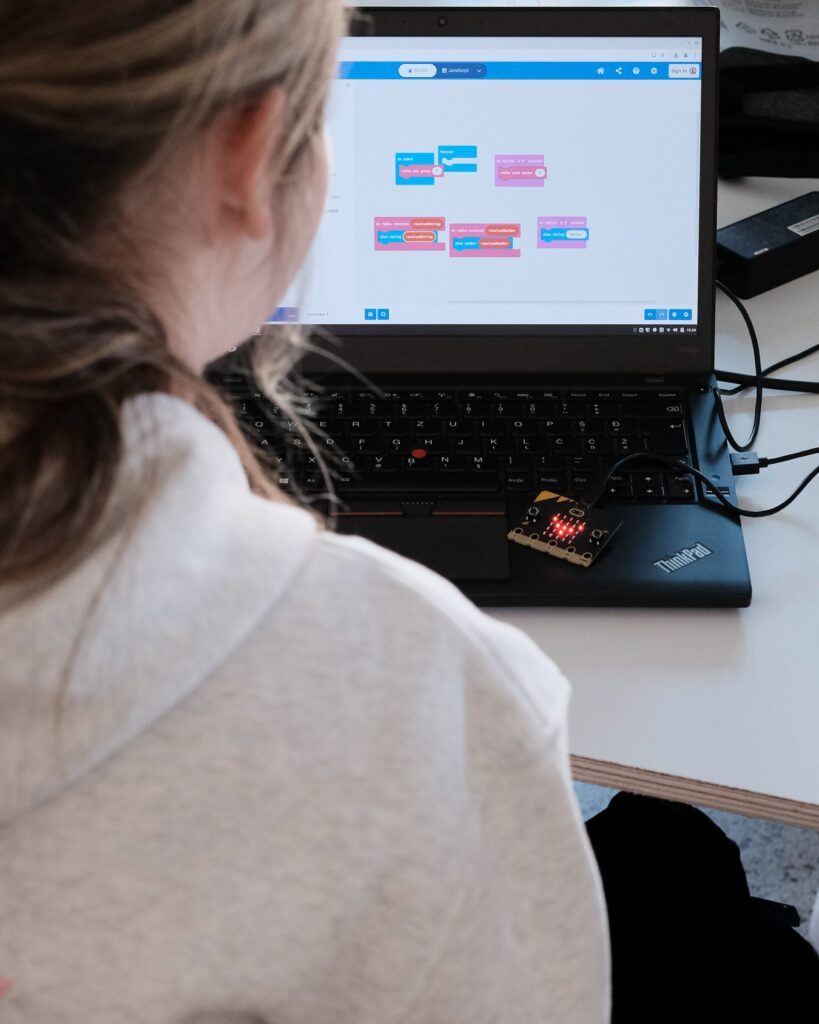
Several practical activities support learning about sustainability through experimentation and projects:
- Activity 1 – Plotting sensor’s data: collecting and analyzing environmental data.
- Activity 2 – Open window detector: monitoring window status.
- Activity 3 – Energy monitoring: tracking device energy consumption.
- Activity 4 – Multi-sensor temperature: measuring temperature across multiple locations.
From Digital Skills to Environmental Awareness
The project promotes an educational approach grounded in experimentation, critical thinking, and active problem-solving. By engaging directly with real-world data and tangible components, students experience how technology can evolve from a mere tool into a means of understanding and transforming their environment.
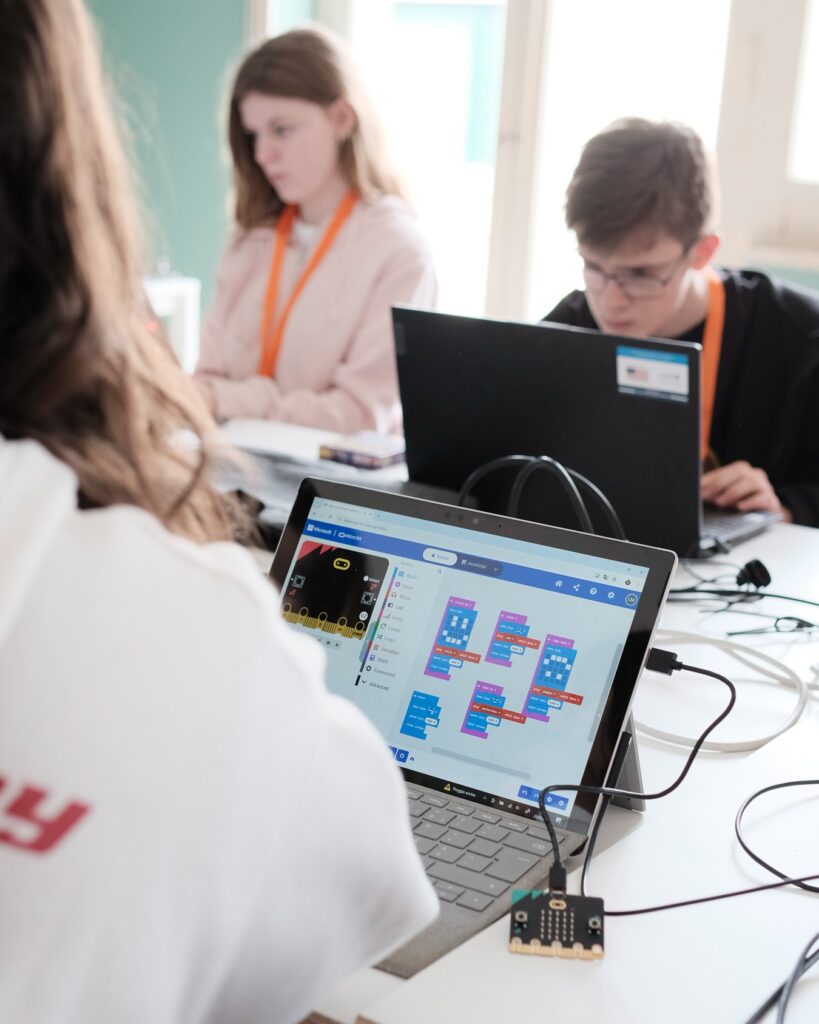
It turns education into a dynamic space where curiosity meets responsibility, and where innovation becomes a pathway toward a more thoughtful and sustainable future.
In connecting classroom exploration with global environmental challenges, EMDACC4 helps shape a new generation of learners who are both digitally literate and ecologically conscious.
This process nurtures a deeper awareness of how individual actions and technological choices affect the planet.
Through EMDACC4’s modular design and open-source philosophy, learners are encouraged to question, test, and adapt — developing not only coding and engineering skills but also the ability to think creatively about sustainable solutions.
